The most useful thing I learned in America wasn't taught at the university. I learned it at house parties.
I played college tennis in the US, represented my AEPi chapter at nationals, wrote four books and lost 41 kilos. And still, the thing that changed my life most is a party format nobody bothered to import to Israel. So I imported it myself. This is the story, from a kitchen in Chapel Hill to my garden in Hod HaSharon.

The first time I walked into an American house party, I was a brand-new student at the University of North Carolina at Chapel Hill. An old house near campus, a lawn that had seen better days, music spilling out of the living room, and a red Solo cup in every single hand. I didn't know a soul there. Nobody knew a soul there. And that was completely fine.
Within ten minutes someone asked where I was from, a girl laughed at my accent, and I found myself refereeing a beer pong match between two people who'd met five minutes before I did. Nobody asked what I do for a living. Nobody scanned me head to toe. The door was open, literally, and whoever walked through it belonged.
I stood there with my red cup and understood something it took me years to put into words: this is not a party. This is a machine that manufactures friends. Americans built an entire culture around it, and where I come from, it simply doesn't exist.
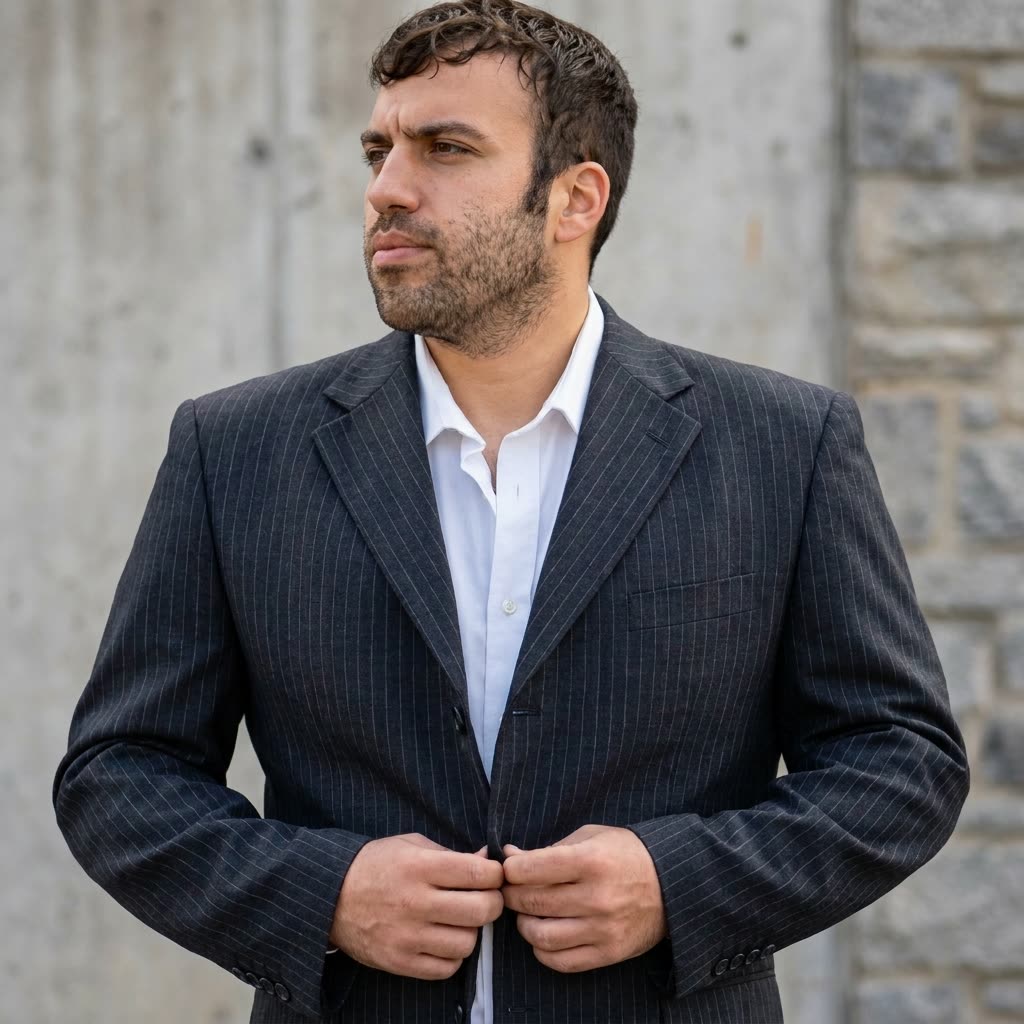
Nice to meet you, I'm Shay
Before we go on, you should know who you're talking to. Because some of what I'm about to tell you sounds made up, and I'd rather you be able to Google all of it.
I studied at UNC Chapel Hill, the first public university in the United States, and played club tennis there. The competitive college tennis happened at Nassau CC, all the way to nationals. Alongside that I joined AEPi, the world's Jewish fraternity. Fraternity-house life, with everything that phrase implies, and at the peak of it I got to represent the brotherhood at nationals. An Israeli kid surrounded by Americans in Greek-letter jerseys. Character-building, to put it mildly.
In a fraternity house you learn one thing fast: how to take a crowd of complete strangers and turn them, inside a single semester, into people who will carry each other home at three in the morning. There is a method to it. There are rules. And once you've lived it, you can't look at a Tel Aviv "networking event" without smiling.
What do you do with all that in Israel
I came back, and the tennis stayed. I got certified at the Wingate Institute, Israel's national sports institute, and started coaching. Over the years some of my players reached national ranking, and when I caught myself repeating the same sentences for the thousandth time, I wrote them down: two tennis books in English, one for beginners and one on match strategy, still selling on Amazon today.
Then came my hardest project: me. At my heaviest I weighed 124 kilos. A tennis coach who weighs 124, sit with that for a second. I tried everything everyone tries, with the result everyone gets: a pendulum. What finally worked was to stop believing in willpower and start measuring things: sleep, blood work, training, food. I dropped 30 kilos in six months, wrote a book about the method called Younger, Leaner, Optimized, and today the counter stands at 41 kilos down: from 124 to 83.
After October 7th I wrote something entirely different: a science fiction novel called Signal Lost, about an Israeli physicist whose one text message accidentally passes through a time machine, and who discovers that message is the only reason his girlfriend is still alive. The book was born out of that period, and out of the question all of us were asking: what would you do with one chance to send a message back in time.
Somewhere in between I managed to travel through more than a hundred countries, pick up Platinum status with Marriott and IHG and Gold with Hilton, and build an acroyoga workshop and retreat business in Tel Aviv. Yes, I know exactly how this paragraph sounds. Hang on one more minute, it has a role in the story.

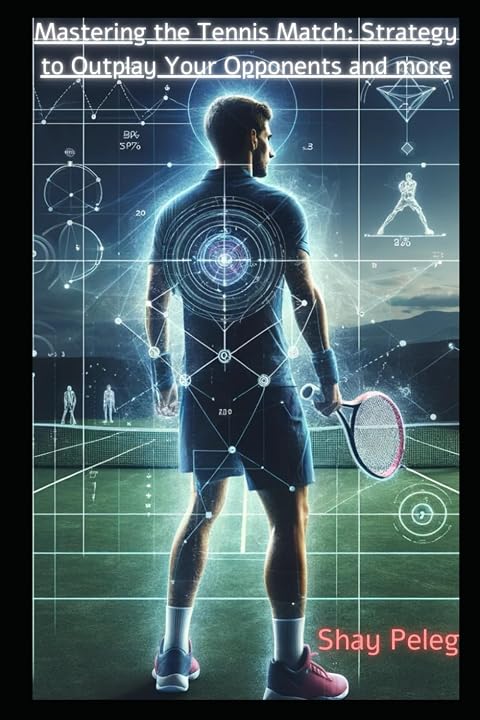
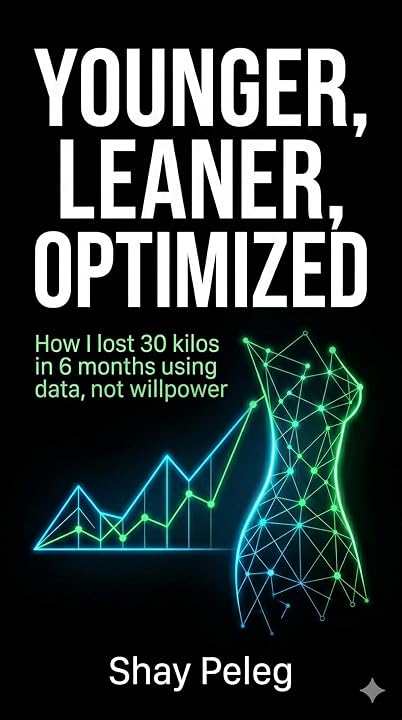

All four books, all on Amazon. Click a cover to open the book's page.
An American house party is not an event. It's a technology for making friends. And nobody had imported it to Israel.
So why parties, of all things
Because when I look at everything I've done, one thread runs through all of it: every time I succeeded at something, it happened inside a group where I felt at home. The fraternity, the team, the acro community. And the thing I missed most about America wasn't the campus or the courts. It was the format: a place you walk into alone and walk out of with people.
So I started building those myself. An acroyoga community in Tel Aviv that meets every week. Tennis and padel communities, including a community championship running as we speak. A spontaneous-trips crew that flies off together to cities that fill up with students in exactly the right week. Ask anyone who knows me: I don't build "events". I build places people come back to.
And a month ago I closed the loop: I brought the American house party to my own garden in Hod HaSharon, and we called it The Garden Social. Games that do the introductions instead of small talk. Hosts whose whole job is making sure nobody stands alone in a corner. Almost everyone shows up not knowing a soul, which is exactly the point. If you moved to this country and left your people behind, you already know why that matters.
The next edition is here
Want to see it from the inside?
The 2000s party, Thursday, September 10, same garden in Hod HaSharon. A bar, a big chill corner, a games area with beer pong, and everything that played in the 2000s. It is also the last night out before Rosh Hashana. English very much spoken.
The garden nights keep coming. The next edition, the date and the price are always current on the home page.
Count me in for Sept 10 → What is the next night →Why it works, the nerd version
There's a reason almost all your close friends are from before you turned 23, and it isn't that something in you broke. Friendship takes shared hours, far more than we think, and adult life simply stopped supplying them.
A good house party compresses into one evening what adult life spreads over months: consecutive hours with the same people, a shared mission silly enough to melt the distance, and a space you can't disappear into your phone in. That's the whole secret. It has worked on every American campus for a hundred years. It was just waiting for someone to translate it.
Want to throw one of these yourself? Here's the method
- A game with simple rules near the entrance. Beer pong, cards, doesn't matter. The game does the introductions, not you.
- Name tags and a fat marker. Sounds cringe. Works like magic. Nobody approaches someone whose name they can't remember.
- An opening circle at a round hour. Fifteen minutes, everyone says their name and one small thing. From that moment on, everybody "knows" everybody and every conversation starts itself.
- One host who is always free. Not drinking, not stuck behind the speaker. Their only job: spot whoever is standing alone and connect them to someone.
- A reason to arrive on time. At my place it's hot pizza for whoever walks in when doors open. People arrive late because they're afraid of being first. Give them a reason to stop being afraid.
And one small spoiler
In the coming weeks I'm opening something new called Vibes: a club for people who show up alone. A monthly house party, free acroyoga every weekend, and trips abroad at cost price, riding on my hotel statuses. I haven't launched it officially and there's no link on purpose. The people at the parties hear first. That's always how it works with me.
Bottom line, that whole long biography up there compresses into one sentence: I know how to build places you enter alone and leave with a crew. I learned it holding a red cup in Chapel Hill, and I do it today holding a pizza box in a garden in Hod HaSharon. Only difference: no visa required, and the beer is better.
See you in the garden
See you in the garden
The 2000s party · Thursday, September 10 · Hod HaSharon · come alone, leave with people. I'll handle the rest.
The parties keep coming in the same garden, edition after edition. Pick a night, grab a spot, come alone. I'll handle the rest.
Take me to the 2000s party → Take me to the next one →Sources
- The University of North Carolina at Chapel Hill, America's first public university (1789). unc.edu/about
- Alpha Epsilon Pi: founded 1913 at NYU, more than 110,000 initiated brothers. aepi.org · Wikipedia
- Hall, J. A. (2019). How many hours does it take to make a friend? Journal of Social and Personal Relationships. The paper · University of Kansas summary
- The books on Amazon: Tennis Bible · Mastering the Tennis Match · Younger, Leaner, Optimized · Signal Lost